Grow a Garden in Roblox: A Beginner's Guide
Learn how to build and grow a garden in Roblox with simple, beginner-friendly steps. From planning to harvesting, this guide covers design, mechanics, and optional scripting tips.


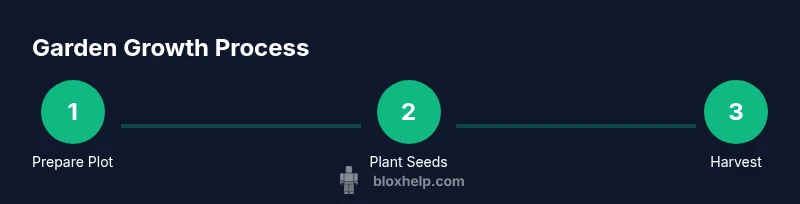
You will learn step-by-step how to grow a garden in Roblox, exploring the concept of 'roblox grow a garden' and how it can be implemented in your games. This guide covers planning, planting, watering, harvesting, and optional scripting for custom features. By starting simple, you’ll build a solid foundation for more complex garden projects.
Why a Roblox Garden Makes Learning Fun
Gardening in Roblox isn’t just about aesthetics; it’s a practical, engaging way to teach planning, sequencing, and cause-and-effect in a playful environment. A garden scene provides hands-on feedback: players decide where to place beds, when to water, and how crops respond to care. For beginners, a small, well-structured garden keeps focus on core mechanics rather than flashy scripts. The concept of roblox grow a garden captures this mindset, turning a static space into an interactive activity with progression, rewards, and collaboration. According to Blox Help, starting with a simple layout helps learners master fundamentals before diving into more advanced features. As you grow more confident, you can expand plots, add seasonal changes, and invite friends to help—bringing longer play sessions and richer social moments.
A garden in Roblox is also a flexible canvas for creativity. You can experiment with color palettes, path designs, and plant varieties to create a unique atmosphere. The key is to balance form and function: beds that look nice should also be easy to navigate and to interact with. This balance makes your roblox grow a garden project both visually appealing and highly playable. Remember, the goal is steady, repeatable progress that players can track and celebrate.
Planning Your Garden Space in Roblox
Before you place a single seed, map out your garden’s footprint. Decide on a compact baseplate or open terrain area, then sketch a grid of plots with paths linking each bed. Consider accessibility for players who will click, touch, or use a controller; keep entrances wide and intuitive. In Roblox, a garden works best when the layout supports progression: beginners unlock more plots as they complete simple tasks, while experienced builders can tinker with irrigation systems and ornate borders. Build a focal point, such as a central tree or statue, to provide orientation. Finally, plan how you will test the garden: in Play mode, walk through every path, verify interactions, and confirm that growth timers feel responsive. This thoughtful planning anchors your roblox grow a garden project and reduces rework later.
A solid layout also helps you manage resources effectively. Group related plots together (e.g., herbs, vegetables, flowers) so players can plan crop rotations and keep a clean, navigable space. Consider how your garden will fit into the larger game world: will crops grow near a village, a farm, or a magical grove? By thinking spatially, you can design a garden that is both practical and immersive.
Tools & Materials
- Roblox Studio(Required for creating and editing garden layouts, assets, and basic interactions.)
- Roblox Account(Needed to access games, test interactions, and publish your garden project.)
- Baseplate or Terrain Tools(Foundation for plots; use flat ground to simplify planting logic.)
- Seed/Crop Asset Pack(Plant models or sprites to represent crops in-game.)
- Lua Scripting Editor(Optional for automating growth, watering, or harvest events.)
- Texture and Material Library(Ground textures and decorative materials to enhance realism.)
- UI Elements for Garden(Optional buttons or menus to track growth and rewards.)
Steps
Estimated time: 90-120 minutes
- 1
Open Roblox Studio and Create a New Scene
Launch Roblox Studio, create a new baseplate project, and set up a simple grid for your garden beds. This first step establishes the working area and helps you visualize plot placement before you add assets.
Tip: Use hotkeys to switch between select and move tools quickly to speed up initial layout. - 2
Define Your Garden Footprint
Mark the outer boundaries of your garden with visible markers or border blocks. A clear footprint prevents clutter and guides players through the space. Decide how many plots you’ll start with and where paths will run.
Tip: Leave a dedicated access lane at least two bed widths wide for easy navigation on controllers and touch devices. - 3
Create Individual Plots
Lay out individual planting beds in a grid. Each bed should have a small trigger or interaction area so players can plant seeds, water, and harvest. Label beds by crop type if you want a structured learning path.
Tip: Keep plots uniform in size to avoid gameplay imbalance and simplify growth timers. - 4
Import Seed Assets
Import or place seed/crop assets into each plot. Use a consistent naming convention so scripts can reference the right crop type for growth and harvest.
Tip: If unsure about assets, start with a few simple crops to validate interactions before expanding. - 5
Add Watering Mechanisms
Place watering sources or a simple irrigation loop near beds. Implement a basic interaction so players can water crops when they stand near the bed.
Tip: Test water interactions from the player’s perspective to ensure accessibility and responsiveness. - 6
Implement Growth Timers (Optional)
If you’re comfortable with scripting, add growth timers so crops progress from seed to harvest over time. Keep timers short for testing, then adjust for longer play sessions.
Tip: Use modular timers that can be reused across multiple beds to save time. - 7
Apply Soil and Ground Textures
Choose soil textures or ground materials that visually differentiate beds from walkways. Subtle shading can convey depth and health of crops.
Tip: Avoid overly busy textures that distract from gameplay interactions. - 8
Create Harvest Interactions
Implement a harvest mechanic (e.g., click or trigger) that rewards players with crops and progress points. Provide visual and audio feedback to reinforce success.
Tip: Make harvest rewards feel meaningful to encourage continued gardening. - 9
Add Aesthetic Details
Decorate with paths, fences, garden signs, and ambient plants to create a welcoming environment. Aesthetics improve immersion and player engagement.
Tip: Use color balance to guide players toward active beds without overwhelming the scene. - 10
Test Play the Garden
Run the scene in Play mode to validate layout, interactions, and timing. Have others test for accessibility and discoverability.
Tip: Look for edge cases, such as players with slower devices, and adjust accordingly. - 11
Save and Publish Your Garden
Save your project and publish it to your game or a test place. This step makes the garden experience accessible to friends for feedback.
Tip: Document changes so you can revert if something breaks in future edits. - 12
Share and Iterate
Invite friends to explore the garden, collect feedback, and iterate with small updates. Progressive improvements keep players returning for new crops and features.
Tip: Use feedback to prioritize features that enhance learning and playability.
Questions & Answers
What is the goal of a Roblox garden project?
The goal is to create an interactive space where players learn planning, sequencing, and resource management through planting, watering, and harvesting crops. It can also showcase basic scripting for automation.
A Roblox garden teaches planning and interaction by turning planting into a playable activity.
Do I need to script to make the garden work?
Not for a basic garden. You can use built-in assets and simple interactions. Scripting becomes useful if you want automation, variable growth, or custom UI.
Basic garden features don’t require scripting, but scripts open up more dynamics.
Can this garden be shared with friends?
Yes. You can publish the garden to a game or place and invite others to visit, plant, and harvest together. Multiplayer features enhance learning through collaboration.
Absolutely—friends can join in to plant and harvest together.
How do I keep crops progressing over time?
Use growth timers that update crops after a set period. For beginners, start with short timers and gradually extend them as you add more crops.
Timers control when crops grow and are ready to harvest.
What resources help beginners learn Roblox gardening?
Begin with a small set of plots, a few crop types, and simple interactions. Expand gradually, testing frequently to keep the learning curve manageable.
Start small and grow your garden as you learn more.
Watch Video
The Essentials
- Plan a compact, navigable garden layout
- Use uniform bed sizes for consistent growth mechanics
- Test interactions comprehensively in Play mode
- Optional scripting can automate growth and watering
- Invite feedback to drive ongoing improvements