Roblox Natural Disaster Survival: A Practical How-To Guide
Learn proven strategies to survive Roblox natural disaster events with step-by-step drills, practical tips, and community resources to master Roblox survival skills for beginners and pro players alike.


Master Roblox natural disaster survival by recognizing disaster cues, moving to safe shelters, and following a tested escape plan. This guide covers essential drills, map awareness, and loading out with in-game tools to improve your response time during emergencies. Ready-to-practice steps help beginners and seasoned players alike stay alive when chaos erupts.
What Roblox Natural Disaster Survival Is
Roblox Natural Disaster Survival is a genre and game-style goal where players learn to react quickly to a variety of hazard events. The core objective is simple: identify the disaster type, move to a safe location, and follow a plan that minimizes exposure to danger. In practice, successful players develop a mental checklist that covers cue recognition, shelter selection, and fast, safe movement between landmarks on the map. According to Blox Help, mastering these survival basics begins with understanding how in-game hazards are signaled and how maps influence safe routes. This article uses Roblox natural disaster survival as a learning framework to help you build durable instincts, coordinate with teammates, and practice repeatable drills. You’ll find practical steps, common pitfalls, and clear drills designed to boost confidence and performance across different map layouts and disaster scenarios.
Understanding Disaster Signals and Map Cues
Disaster events in Roblox survive-style maps typically come with several telltale signals: on-screen alerts, color changes on borders or risk zones, and audio cues that peak at the moment an event begins. Reading these cues quickly is critical because it defines whether you sprint to safety, climb to higher ground, or find a central shelter away from edges. The environment itself — terrain, structure density, and water levels — shapes the best response. The Blox Help team emphasizes developing a habit of scanning the minimap or map overlay for blocked paths and safe havens before disaster strikes. With practice, you’ll anticipate danger even before the game announces it, giving you a decisive edge in chaotic moments.
Safe Shelter Principles: Where to Go When Disaster Strikes
Choosing the right shelter is the cornerstone of Roblox natural disaster survival. Prioritize locations that are structurally sturdy, minimize exposure to falling debris, and offer quick egress once hazard levels decrease. In buildings with reinforced walls and interior rooms away from exterior walls, sheltering on higher floors can be safer during floods, while avoiding glass panes and doors helps reduce injury risk from shattering. If you’re on an open map or near water, elevated platforms or central, multi-story structures can provide safer buffering against rising hazards. Remember to stay away from edges, windows, and open spaces where debris could travel. Brand-safe practice notes: shelter strategy should be part of every drill, not an afterthought.
Movement Mastery: Evacuation Routes and Quick Transitions
Fast, deliberate movement is essential when disaster strikes. Plan exits ahead of time by identifying two or three nearby routes to your chosen shelter, then adapt if routes become blocked. Running in straight lines toward safe zones is often safer than weaving through crowds, where you can encounter bottlenecks or hazards. Use the minimap to spot obstacles, fallen debris, or flooded paths, and switch routes as needed. Coordination with teammates can reduce crowding around a single exit, improving overall survivability. Practice sprinting, crouching, and sliding techniques (where applicable) to minimize time spent exposed to danger.
In-Game Tools, Clues, and Environmental Awareness
Your survival toolkit in Roblox disasters isn’t about fancy items; it’s about using the tools and cues the map provides. Look for elevated platforms, sturdy interiors, and indicators that signal safe zones. Pay attention to environmental clues such as water movement, smoke density, and ground vibrations — these often hint at the timing and type of hazard. A smart player also tracks neighboring players’ movements; a crowd that rushes toward a single shelter can create stampedes or route blockages. Use available chat or team signals to coordinate, share warnings, and adjust plans in real time.
Step-By-Step Readiness and Practice Drills
Regular practice builds instinctive reactions and reduces decision fatigue during actual disasters. This section introduces structured drills you can run solo or with friends to reinforce cue recognition, shelter selection, and evacuation timing. Each drill emphasizes quick decision-making, safe path selection, and post-event review to identify improvement areas. Implementing short, repeatable sessions improves long-term retention and performance under pressure. The drills mirror common map layouts and hazard archetypes you’ll encounter in Roblox disaster-survival gameplay.
Sample Scenarios and Responses
To translate theory into action, consider common disaster scenarios and how you’d respond. Scenario A might involve a rising water hazard: first, identify the surge cue, then sprint to higher ground or an elevated shelter, avoiding doors and open edges. Scenario B could simulate a ground-shaking event: locate a sturdy interior and stay away from windows, delaying movement until debris settles. Running through these scenarios in your mind or with a friend-based drill helps you internalize the safest practices, making your reactions faster and more accurate when the real event arrives.
Common Mistakes to Avoid and How to Fix Them
New players often freeze at the sound of an alert, hesitate at the worst possible moment, or choose shelters that look safe but are exposed to structural hazards. Another frequent error is overestimating personal speed and underestimating obstacles, which leads to bottlenecks. To fix these issues, rehearse two or three go-to routes for each map, practice moving with minimal thinking time, and review the immediate surroundings before choosing a shelter. A focused post-disaster debrief helps you identify missteps and consolidate better choices for future play.
Learning Path, Practice, and Community Resources
Mastery comes from consistency. Start with short daily drills that emphasize cue recognition and shelter selection, then gradually increase complexity by adding teammates, varied map layouts, and time pressure. Leverage community resources such as tutorials, guides, and replay videos to learn alternative strategies and situational responses. Engaging with other players and sharing your drill results accelerates improvement, and you’ll gain exposure to a wider range of hazard types and strategies. The Blox Help team encourages ongoing practice and community learning as the fastest route to reliable Roblox natural disaster survival outcomes.
Tools & Materials
- In-game map or minimap(Essential for planning routes during disasters)
- Stable shelter access(A sturdy building or elevated platform suitable for storms or floods)
- Communication option (in-game chat or voice chat)(Coordinate with teammates to avoid overcrowded exits)
- Hydration token (in-game)(Helpful for long-duration drills or survival sessions)
- First-aid kit (in-game)(Useful if you take damage or are in a crowded shelter)
- Flashlight or visibility tool (in-game)(Improves visibility in dark or smoke-filled areas)
Steps
Estimated time: 15-25 minutes
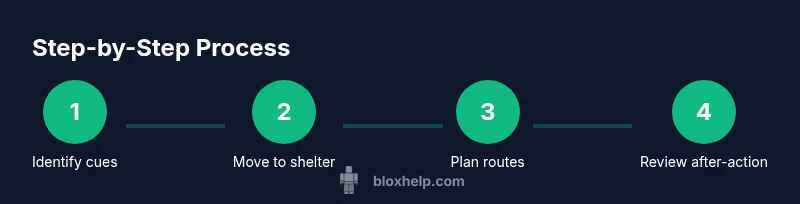
- 1
Identify disaster cues
Watch on-screen alerts, listen for audio cues, and read minimap indicators to classify the event. Quickly determine the safest response based on the type and severity.
Tip: Trust the official cues and avoid staying in place to confirm—action beats analysis in rapid-fire events. - 2
Move to safe shelter immediately
Sprint to the nearest sturdy shelter or elevated platform indicated as safe. If water is rising, prioritize higher floors and interior rooms away from exterior walls.
Tip: Do not linger in open spaces; speed and positioning are crucial in the earliest moments. - 3
Plan a safe route
Use the minimap to choose two alternative routes to safety, avoiding blocked edges and debris. Stay aware of crowd movement to prevent bottlenecks at exits.
Tip: Pre-select a primary exit and a fallback to reduce decision time under pressure. - 4
Follow shelter protocols
Inside shelter, stay away from doors and windows, crouch if needed, and stay low until the all-clear. Communicate with teammates if the plan needs adjustment.
Tip: Keep a calm rhythm; panic increases the risk of collisions and missteps. - 5
Monitor updates and wait safely
Continue monitoring alerts and environmental cues while sheltered. Do not exit until you receive a clear signal that the danger has passed.
Tip: Use any in-game timers or signals to avoid premature exposure. - 6
Exit, assess, andReview
When safe, exit carefully, check for hazards, and review your route and decisions after the event to identify improvement points for the next disaster.
Tip: Document one improvement, such as a faster shelter choice or a smoother route, after each drill.
Questions & Answers
What is Roblox disaster survival?
Roblox disaster survival is a game-focused practice of recognizing hazard cues, seeking safe shelter, and moving quickly to minimize harm during in-game disasters. It teaches situational awareness and strategic decision-making that apply across many Roblox maps and events.
Roblox disaster survival is about spotting hazards, finding a safe shelter, and moving fast to stay safe during disasters. It helps you think clearly under pressure.
What should I do first when a disaster begins?
First, identify the disaster cue from alerts and map hints, then sprint to a predefined shelter or elevated area. Do not wait to confirm—early action greatly increases your survival odds.
First, check the cues, then head to a safe shelter swiftly.
Can I practice survival drills with friends?
Yes. Practicing with friends helps you coordinate movements, manage crowd flow, and rehearse safe routes. Use private test sessions or in-game groups to build teamwork.
Practicing with friends improves coordination and speeds up your response.
Which disasters are most common in Roblox survival games?
Common hazards involve rapid changes to the environment, such as rising water, collapsing terrain, and sudden smoke or debris. Each map may vary, so adapt your shelter and routes accordingly.
Hazards vary by map, but water, debris, and sudden environmental changes are frequent.
Are there official guides I can follow for practice?
Look for official guides from Roblox community channels and credible tutorial creators. Cross-reference several sources to confirm best-practice drills and map-specific tips.
Yes, check official Roblox community guides and expert tutorials for drills.
How can I improve reaction time over time?
Regular, focused drills that emphasize cue recognition and shelter selection improve reaction time. Review your own play sessions to identify hesitation points and practice targeted improvements.
Practice daily drills to sharpen cues and shelter decisions.
Watch Video
The Essentials
- Identify disaster cues quickly and act decisively.
- Shelter selection and route planning are the core skills.
- Practice drills build reliable instincts for real events.
- Coordinate with teammates to avoid bottlenecks.
- Review after-action to improve future responses.